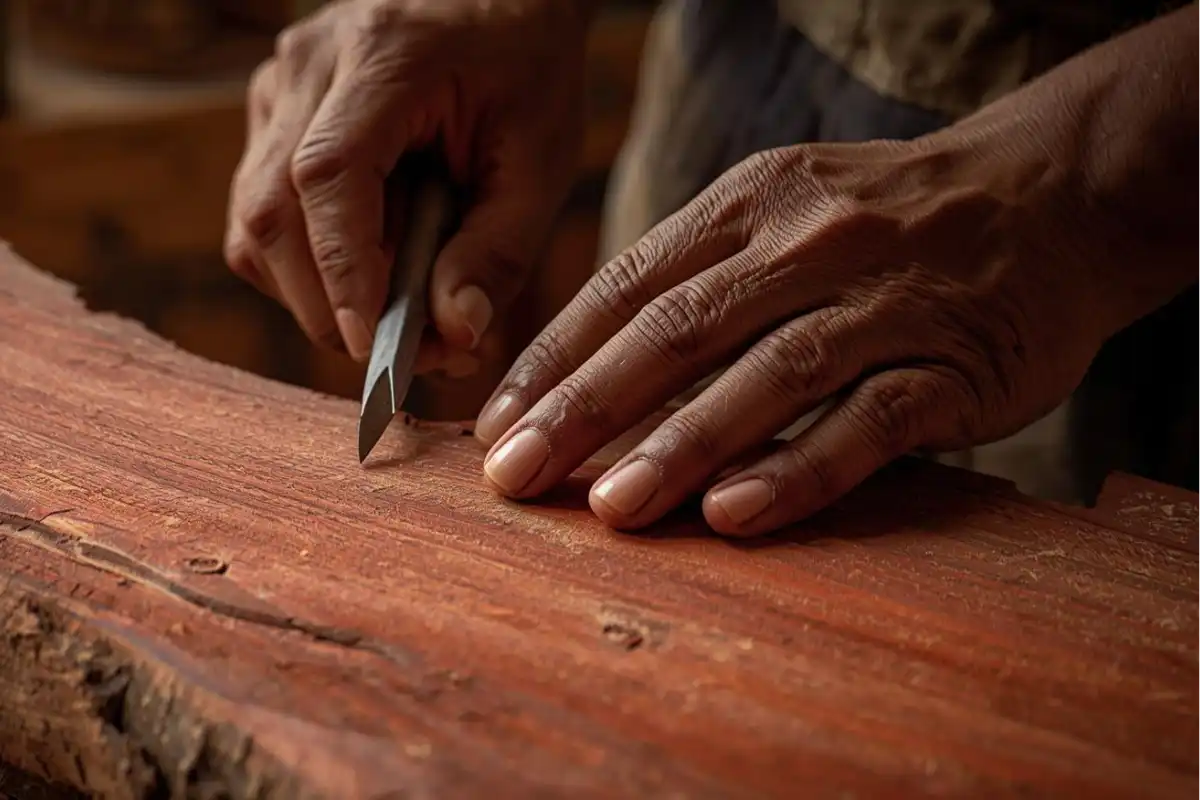
Sheesham wood, also called Indian Rosewood, stands out as one of the most durable and visually rich hardwoods in fine furniture making. But the quality of the final piece doesn't start in the workshop. It starts long before, in how the wood is prepared.
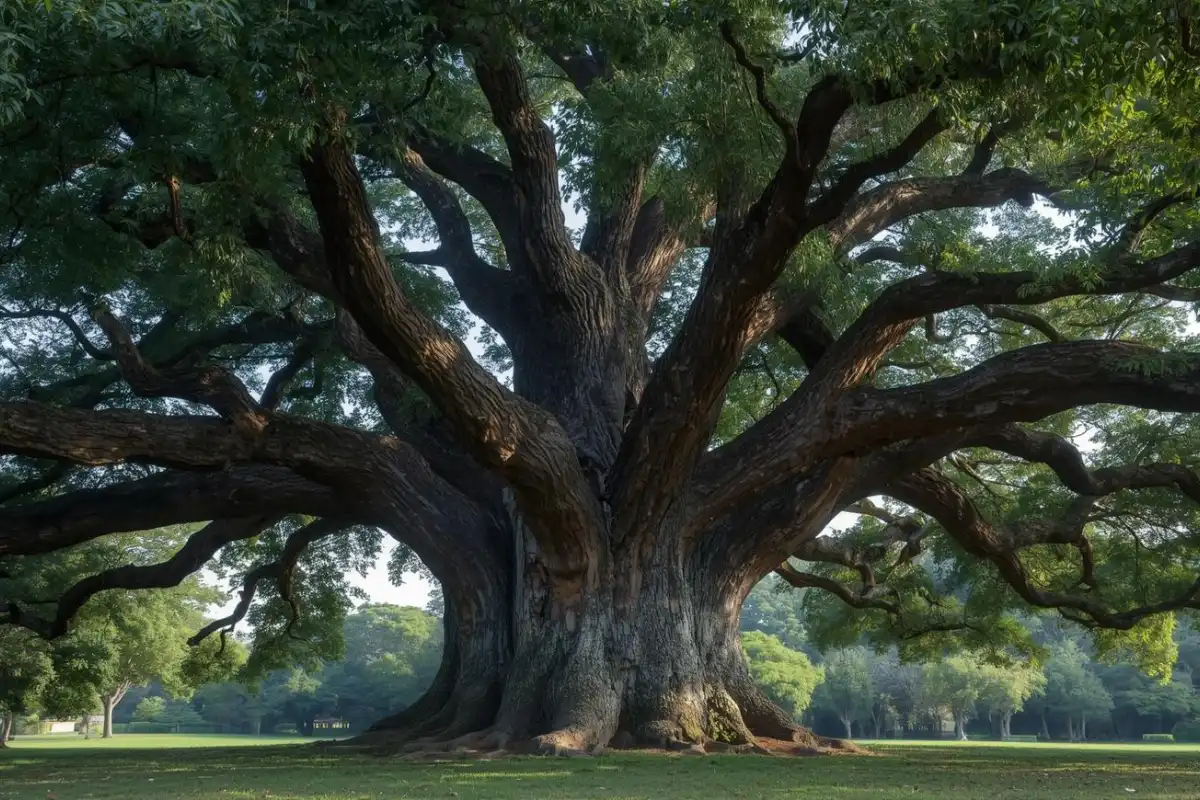
At LavishWood, we follow a slow, careful process. We only use mature trees that have grown for at least 50 years. This age makes a real difference. It gives the wood deeper grain patterns, higher density, and stability that lasts for decades.
Selecting Mature Sheesham Trees
Preparation starts at the source. We only work with trees that are 50 years old or older. This matters more than most people realize.
- Older trees develop tighter grain structure
- Density increases with age, making the wood stronger
- Color becomes richer with natural contrast and depth
- Internal stability improves dramatically
Younger trees grow faster, but they produce weaker wood. We avoid them completely. When you buy a piece made from mature sheesham, you're getting wood that has spent half a century developing its strength.
Responsible Harvesting
Once a tree is selected, harvesting is done under controlled conditions. Timing matters here.
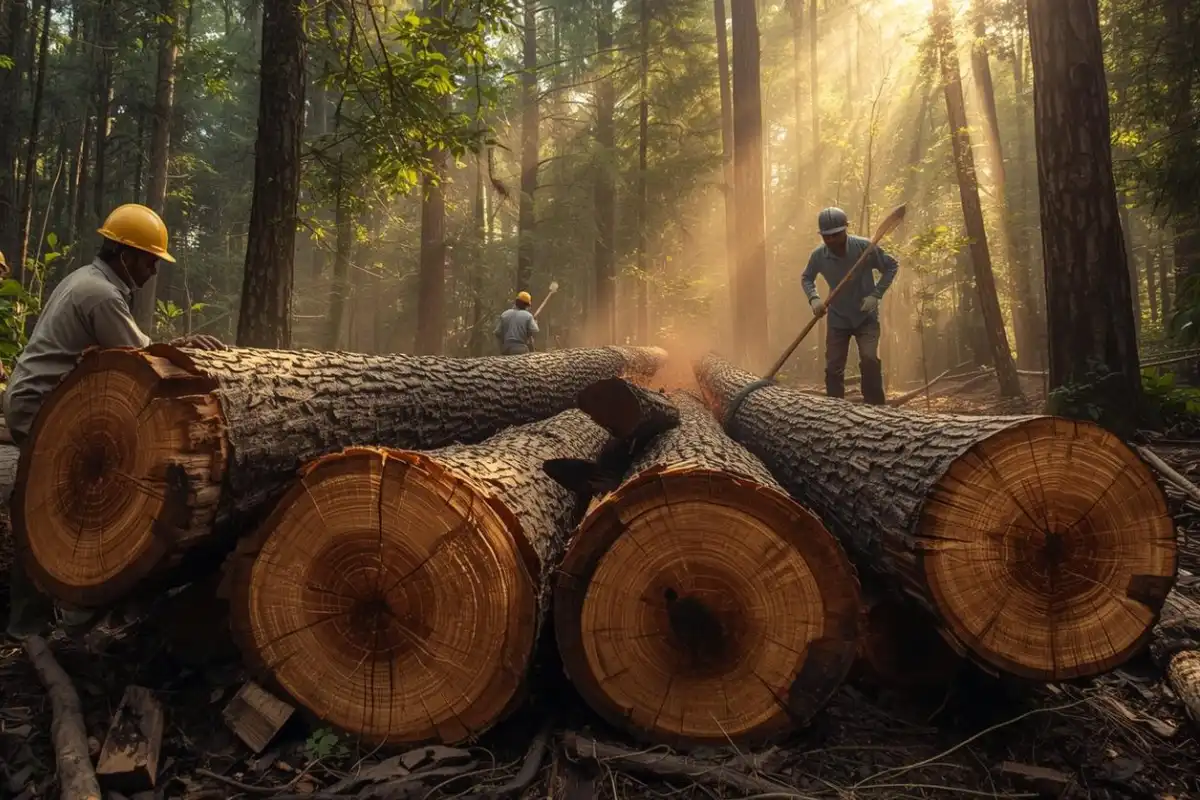
Trees are cut during dry seasons when moisture content is naturally lower. This reduces the risk of cracks and internal stress. Right after felling, logs are cut into manageable sections. This prevents fungal growth and keeps the wood clean.
Initial Cutting and Sizing
The logs are converted into rough planks. Bark is removed first. Then planks are cut slightly thicker than their final size.
Why the extra thickness? Because wood will shrink and move during seasoning. That extra material gives us room to make corrections later. At this stage, the wood is still raw and unstable. The real work is just beginning.
Natural Seasoning: The Foundation of Quality
Natural air seasoning is where patience pays off. This is the backbone of quality sheesham furniture.
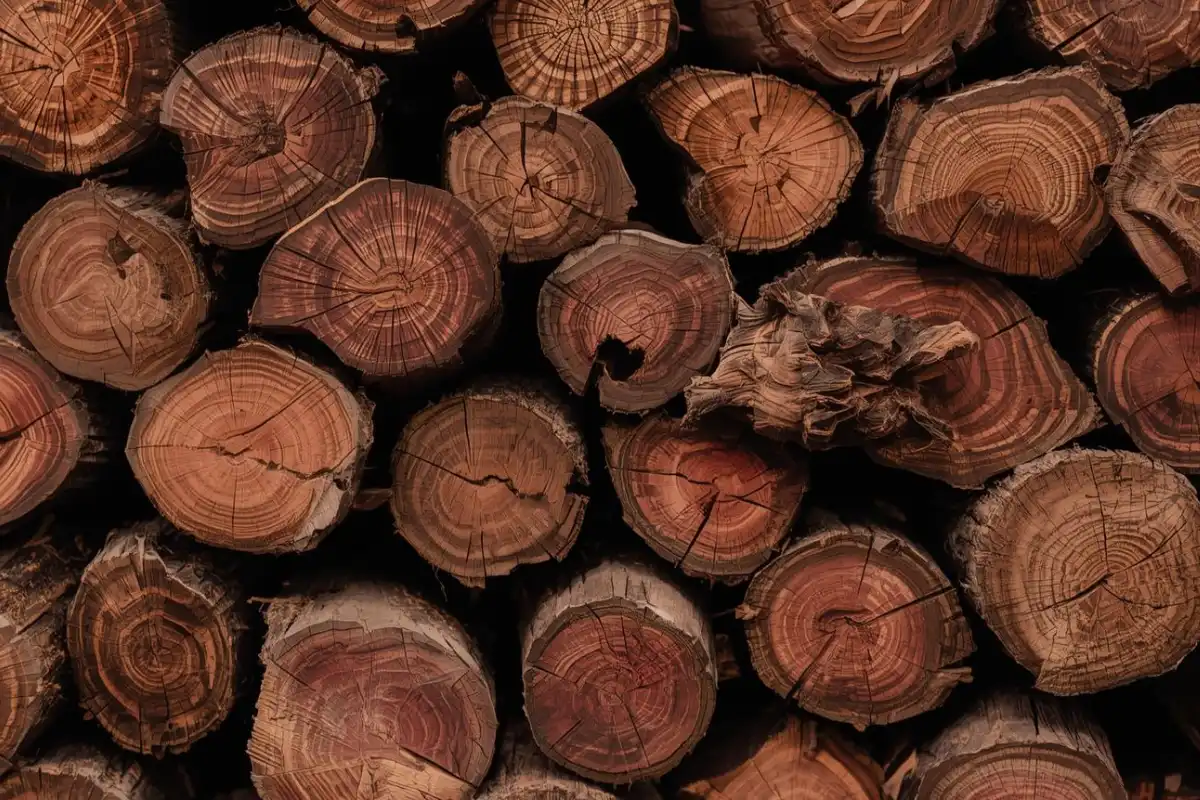
Planks are stacked with spacers between them to allow airflow. They're stored in shaded, well-ventilated areas and protected from rain and direct sunlight. This process takes anywhere from 12 to 36 months.
Why does this matter so much?
- Moisture escapes slowly and evenly
- Internal stress is released naturally
- Risk of warping drops significantly
- The wood stabilizes without force
Fast drying ruins sheesham. We do not rush this step. Ever. According to the Wood Database, proper seasoning is critical for preventing defects in dense hardwoods like sheesham.
Kiln Drying for Precision
After months of air seasoning, the wood goes into a kiln for final moisture control. Temperature and humidity are carefully monitored. The goal is to reduce moisture content to 8 to 10 percent.
This step ensures the wood performs well in modern homes with heating and air conditioning. Too much moisture and the wood will shrink later. Too little and it can crack. The kiln gives us precision.
Resting and Stabilization
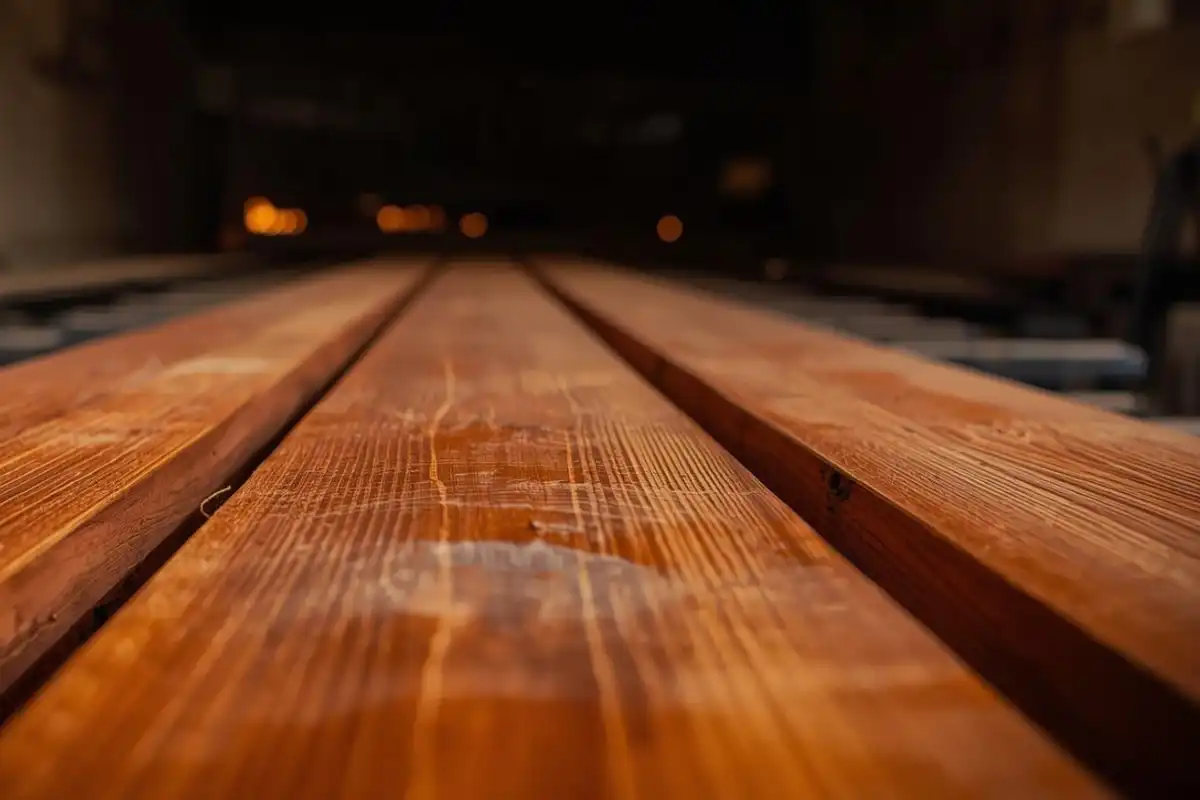
Even after kiln drying, we don't rush to cut the wood. Planks are stored flat and left to rest. Any minor movement is carefully observed. If a plank shows instability, it gets rejected. Only stable planks move forward into production.
Crafting and Joinery
Now the wood is ready for craftsmanship. Precision cutting is done according to the design. Traditional joinery techniques are preferred over modern shortcuts.
We use minimal metal fasteners. Instead, we rely on mortise and tenon joints, dovetails, and other methods that have worked for centuries. This preserves strength and allows the wood to move naturally with humidity changes.
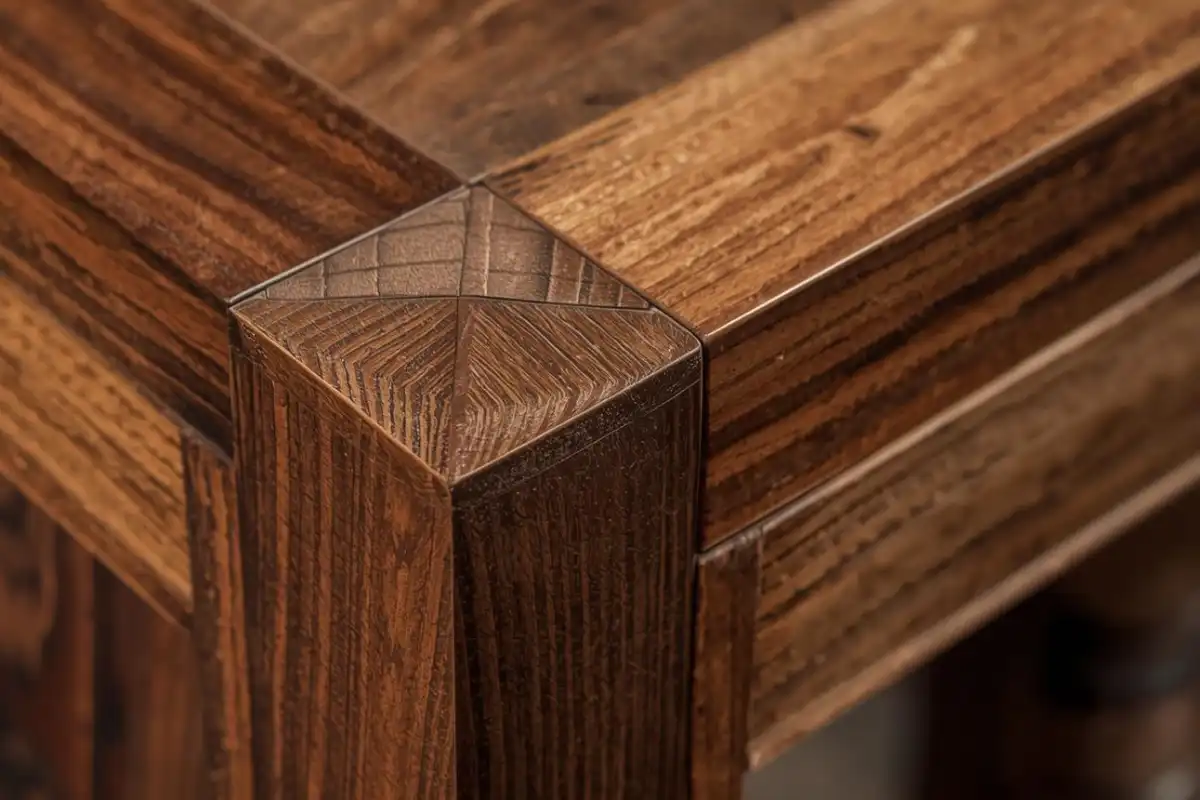
You can see this level of detail in our handcrafted chess tables and backgammon sets.
Sanding and Surface Preparation
Surface preparation defines the final look. Multiple sanding stages are used, starting with coarse grits and moving to fine ones. The grain is opened evenly across the surface. Sharp edges are softened by hand.
This step reveals the true character of sheesham wood. The natural grain patterns, color variations, and unique markings all come to life during sanding.
Finishing and Protection
The finishing process protects the wood and brings out its natural beauty. We use natural oils or premium sealers that penetrate deep into the wood fibers.
No heavy paints. No thick lacquers that hide the grain. The finish we apply enhances what's already there. The result is a surface that ages beautifully and resists daily wear.
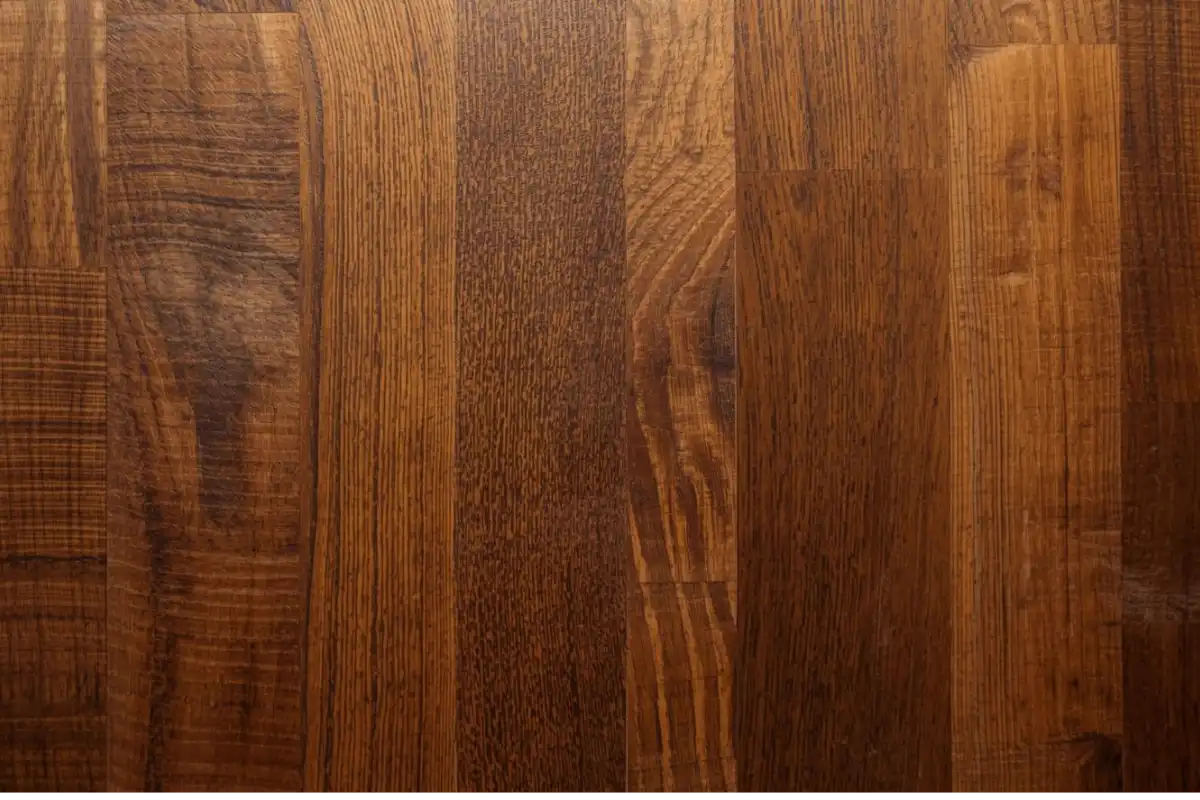
Learn more about different premium hardwoods we use in our furniture.
Why This Process Matters
Using 50-year-old sheesham wood isn't a marketing trick. It's engineering combined with patience. The results speak for themselves:
- Stronger furniture that handles everyday use
- Better resistance to humidity and temperature changes
- Longer lifespan, often lasting decades
- Unique grain patterns in every piece
At LavishWood, preparation is where luxury begins. Every gaming table, every decorative piece, every item we create carries years of natural aging and months of careful preparation before it reaches your home.
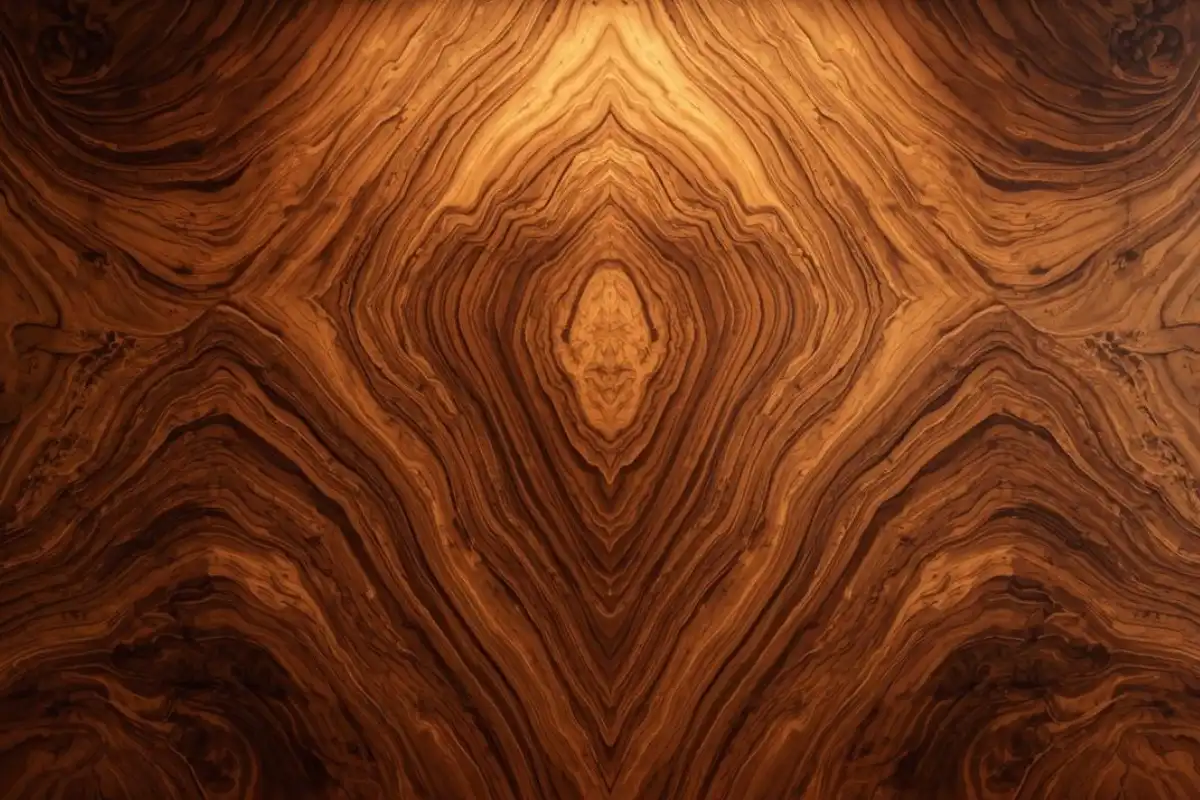
That's the difference you feel when you touch real sheesham wood. It's not just furniture. It's a piece that was 50 years in the making before we even started building it.
Want to see the results of this process? Explore our custom furniture collection or read about our craftsmanship philosophy.


